Novel materials development for plant stress resilience
The startup project of PSR lab
Project Overview
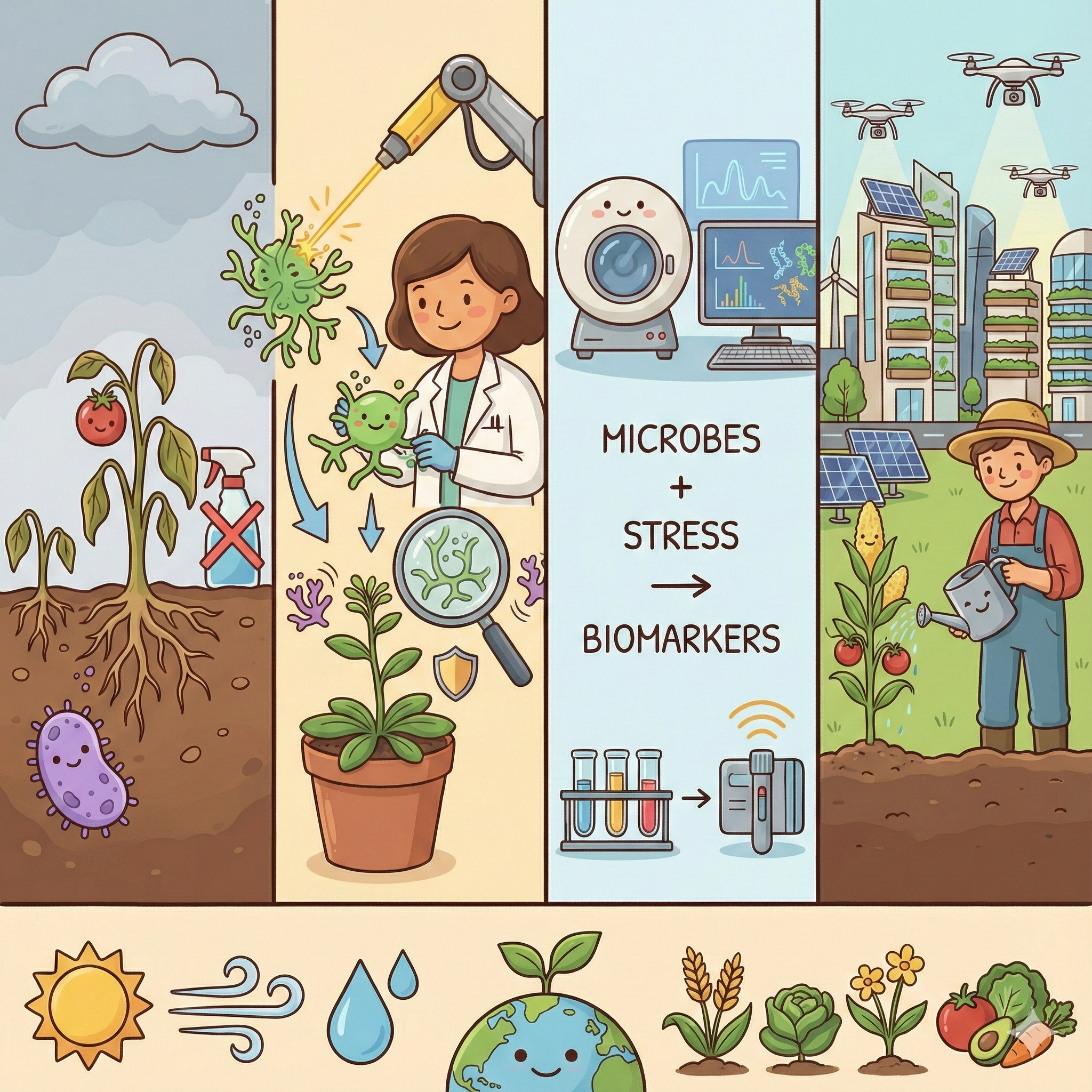
This project addresses the critical need for sustainable alternatives to chemical fungicides in controlling Fusarium oxysporum, a devastating soil-borne pathogen causing crop wilt diseases. We establish an innovative CRISPR gene-editing platform to develop avirulent Fusarium strains as biological control agents through targeted modification of virulence factors. The research employs Arabidopsis thaliana as a comprehensive analysis platform to evaluate gene-edited strain efficacy and identify plant stress resilience biomarkers. Through transcriptomic analysis and qPCR-based assessment systems, this integrated approach combines cutting-edge gene-editing technology with robust molecular frameworks, advancing sustainable agricultural practices whilst reducing chemical pesticide dependency.
Project Aims
- Develop comprehensive gene-editing systems for Fusarium oxysporum
- Establish Arabidopsis-based stress resilience analysis platforms
- Construct practical analytical frameworks and toolkits
Project output
The project has successfully established a CRISPR gene-editing platform optimised for Fusarium oxysporum with demonstrated editing efficiency. The comprehensive Arabidopsis-based analysis platform has been validated, providing standardised protocols for evaluating fungal pathogenicity and plant stress responses. Through systematic testing, multiple stress-responsive genes have been identified and characterised as reliable molecular biomarkers for plant resilience assessment. These validated gene targets enable qPCR-based analytical approaches for future material evaluation. The established methodology provides foundational technology for advancing sustainable agricultural practices, with protocols ready for technology transfer and broader agricultural biotechnology applications.